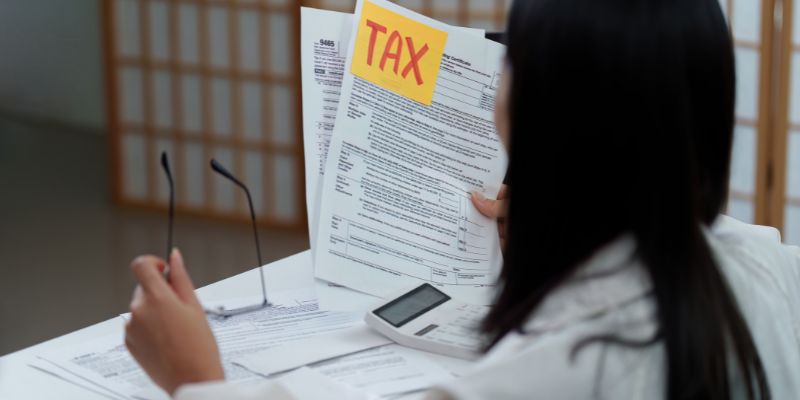
Every year, millions of individuals and business owners wait until the last few weeks—or even the last few days—before the tax deadline to think about their tax strategy. For many, it’s an understandable habit: tax planning feels overwhelming, paperwork piles up, and “later” always seems like a good time to start. But last-minute tax planning doesn’t just create stress—it can cost you money, damage long-term financial goals, and expose you to unnecessary risk.
A proactive, year-round tax strategy is the key to maximizing deductions, safeguarding compliance, and building long-term financial health. At Johnson Tax, we’ve seen firsthand how reactive tax planning can lead to missed opportunities, costly penalties, and avoidable financial setbacks. Conversely, clients who engage in proactive planning enjoy smoother tax seasons, optimized savings, and strategic financial growth.
This comprehensive guide explores the hidden risks of a last-minute approach and provides practical, proven strategies to avoid them—ensuring your tax strategy works for you, not against you.
1. Why Last-Minute Tax Strategies Fail: The Core Problem
Waiting until year-end or tax season to think about your taxes might feel convenient, but it severely limits your planning options. Tax laws, deductions, and incentives are designed to reward proactive behavior—not rushed efforts at the finish line.
A Reaction Instead of a Strategy
Tax planning is supposed to be strategic. But last-minute decisions often turn into damage control:
- You’re reacting instead of planning
- Your options are restricted
- You’re more likely to make mistakes
- You’re forced into decisions without full clarity
Instead of optimizing outcomes, you’re simply trying to avoid penalties or complete paperwork fast enough to file on time.
What It Costs You
Here’s what last-minute tax planning typically results in:
- Missed deductions because expenses weren’t tracked
- Lost tax credits due to lack of documentation
- Overpayment from not using tax-efficient strategies
- Higher tax liability because timing wasn’t optimized
- Stress and errors that lead to audits or penalties
At Johnson Tax, we’ve seen clients lose thousands—sometimes tens of thousands—because they waited until year-end.
Key Takeaway
If your tax planning starts only when filing begins, you’re already too late. A truly effective tax strategy must begin months earlier—ideally at the start of the year.
2. The Hidden Financial Risks of Last-Minute Tax Planning
Many taxpayers underestimate how much rushing affects accuracy and savings. The hidden risks of last-minute planning are often more serious than people realize.
Missed Tax Deductions and Credits
Deductions and credits often require:
- Proper documentation
- Timely actions
- Eligibility tracking
- Expense categorization
When you start late, you don’t have time to locate old receipts or adjust your financial activity to qualify for deductions. Some tax benefits must be executed before year-end—meaning if you start late, you simply lose them.
Commonly missed deductions include:
- Retirement plan contributions
- Charitable donations
- Home office deductions
- Mileage logs
- Business operating expenses
- Depreciation planning
Once the deadline passes, missing documents or actions can’t be fixed.
Increased Risk of Filing Errors
Last-minute filers are far more likely to:
- Mix up forms
- Misreport income
- Make math errors
- Claim ineligible credits
- Forget necessary documents
Errors like these can result in:
- IRS or state audits
- Delayed refunds
- Amended tax returns
- Interest and penalties
At Johnson Tax, we’ve helped many clients correct costly mistakes—mistakes that wouldn’t have happened with earlier planning.
Cash Flow Crises and Unexpected Tax Bills
If you don’t calculate your tax liability early, you may face:
- A large, unexpected balance due
- Quarterly tax underpayment penalties
- Emergency borrowing
- Cash-flow strain in your business or household
A proactive approach allows you to:
- Adjust income
- Shift expenses
- Set aside money responsibly
Rushed planning removes this flexibility.
Missed Retirement & Investment Opportunities
Many retirement and investment-related tax-saving strategies must be executed during the tax year—not at filing time. For example:
- Maximizing 401(k) or IRA contributions
- Selling assets to harvest tax losses
- Adjusting investment allocations
- Capital gains timing
- Gifting strategies
By waiting, you lose valuable opportunities to reduce taxable income.
3. The Compliance Risks: Audits, Penalties & Legal Consequences
Beyond lost savings, rushed tax planning isn’t just inefficient—it’s dangerous. Compliance-related risks increase sharply when filing is rushed.
Audit Exposure
The IRS flags returns with:
- Inconsistent income reporting
- Missing documentation
- Mathematical errors
- Unusual deductions
- Late submissions
Late planners are more likely to make the mistakes that trigger audits.
Penalties & Interest
Common last-minute penalty risks include:
- Failure-to-file penalties
- Failure-to-pay penalties
- Underpayment penalties
- Incorrect estimated tax payments
- Late payroll tax deposits (for business owners)
These penalties can add up quickly and significantly increase your tax burden.
Misclassification and Legal Issues for Business Owners
Businesses often get penalized for:
- Wrong independent contractor vs. employee classification
- Missing 1099 filings
- Late payroll filings
- Inaccurate bookkeeping
- Unreported income
When tax documents are rushed, these issues become much more likely.
Johnson Tax regularly helps small businesses navigate compliance—but the safest path is always proactive planning.
4. How a Year-Round Tax Strategy Protects Your Financial Future
Switching from a reactive to a proactive tax strategy transforms your financial life. It doesn’t just prevent problems—it creates powerful opportunities.
Maximize Every Eligible Deduction and Credit
Year-round planning ensures:
- Expenses are tracked properly
- Documents are organized
- Tax-saving opportunities aren’t overlooked
- Eligibility for credits is planned
- You have time to adjust financial decisions
You’re no longer scrambling—you’re strategizing.
Better Cash Flow Management
A strong proactive strategy helps you:
- Forecast your tax obligations
- Prevent surprise bills
- Set aside tax funds monthly
- Avoid penalties
- Plan quarterly estimated payments accurately
This reduces stress and stabilizes both personal and business finances.
More Time to Implement Tax-Saving Moves
A year-round approach gives you time to execute:
- Retirement contributions
- Charitable giving plans
- Real estate planning
- Capital gains/loss strategies
- Business deductions
- Asset purchases
- Accounting adjustments
Because you have months—not days—to optimize decisions, you get better results.
Improved Long-Term Wealth Building
Proactive tax planning supports long-term financial goals, including:
- Wealth accumulation
- Investment optimization
- Estate planning
- Business growth
- Retirement planning
At Johnson Tax, we emphasize year-long planning because it supports your entire financial ecosystem—not just tax season.
5. Practical Steps to Avoid Last-Minute Tax Strategy Mistakes
Here’s how you can shift from a rushed approach to an effective, year-round tax strategy.
Start Your Tax Planning Early—Preferably in Q1
The earlier you begin, the more time you have to:
- Organize records
- Track expenses
- Make strategic financial decisions
Starting early removes pressure and provides the most options for savings.
Maintain Organized, Up-to-Date Records
Consistently track:
- Income
- Business expenses
- Receipts
- Donations
- Mileage logs
- Investment activity
- Property records
Use digital tools or apps to stay organized throughout the year.
Schedule Quarterly Tax Reviews
Quarterly reviews allow you to:
- Catch problems early
- Adjust estimated payments
- Update projections
- Reevaluate deductions
- Plan year-end strategies in advance
At Johnson Tax, quarterly reviews are central to our proactive planning process.
6. How Johnson Tax Helps You Build a Smart, Proactive Tax Strategy
At Johnson Tax, we specialize in helping individuals and businesses escape the trap of last-minute tax filing and instead develop powerful, strategic, year-round tax plans.
Our Services Include:
- Comprehensive tax planning
- Year-round advisory support
- Business tax strategy development
- High-accuracy tax preparation
- Bookkeeping and financial organization
- IRS compliance guidance
- Investment- and retirement-focused tax planning
- Audit prevention strategies
- Quarterly tax reviews and projections
Why Choose Johnson Tax?
- We focus on strategy, not just filing
- We help you maximize deductions
- We plan around your long-term financial goals
- We keep you compliant all year long
- We make tax planning stress-free
A proactive partnership with Johnson Tax ensures you’re never scrambling at the last minute again.
Conclusion
A last-minute approach to tax planning may seem convenient in the moment, but it carries major financial, compliance, and strategic risks. From missed deductions and costly mistakes to audits and unexpected tax bills, reactive planning can significantly damage your financial health.
A proactive, year-round tax strategy—supported by experts like Johnson Tax—ensures you maximize savings, stay compliant, and build a stronger financial future.
Tax planning isn’t just about paying what you owe; it’s about strategically shaping your financial success. Don’t wait until the last minute. Start planning smarter, earlier, and with a partner you can trust.
If you’re ready to build a smarter tax plan, Johnson Tax is here to guide you every step of the way.